Neither as part of my circumnavigation of Leicester or as part of the Leicester Round (which is again walking around Leicester) I decided to go for a walk. I would start near the Hope and Anchor pub in Syston, walk by the canal to the main road near Cossington before returning down a path that leads the other side of the sewage works. It was a good walk in terms of wildlife, the birds and bugs were out in force and it was easy to get distracted. The ground wasn't the best for walking, the path crossed fields on a sharp camber and often across the stubbly roots of cut down crops but I'm not complaining. It was good just to be out in the fresh air.


The canal side was bursting with life. This female Common Blue Damselfly (Enallagma cyathigerum) was quite relaxed and crawled onto my finger.

Down by the water lots of Black Caddis flies were resting on pond side leaves before flying close to the waters edge in small swarms. I've seen the larvae of these before, but I didn't realise they grew up to look like this.
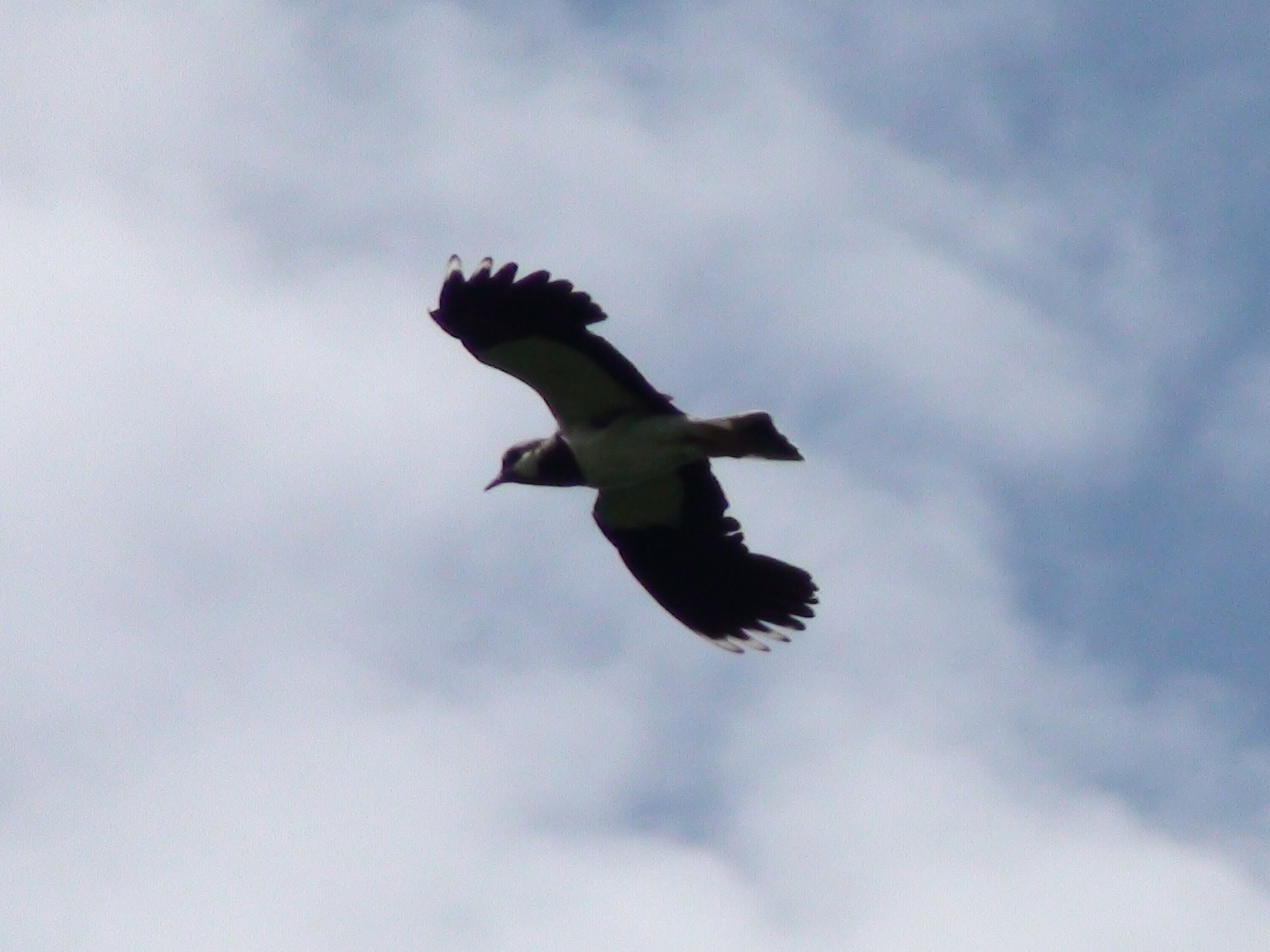
A little further on I flushed a Lapwing (Vanellus vanellus). She circled me noisily several times. I must have been near her nest.

Further on still this Kestrel (Falco tinnunculus) hovered high above the meadow, occasionally circling.

The path became more overgrown and the vegetation closed in slightly. This Red-headed Cardinal Beetle (Pyrochroa serraticornis) was the first I had ever seen. It was huge, being about 2cm long.

Also ubiquitously present is the Green Nettle Weevil (Phyllobius viridiaeris) that eats stinging nettles.

Always a pleasant sight in early June are the Small Skipper Butterfly (Thymelicus sylvestris). This must be one of the earlier ones. Last year my first sighting of this species was on the 21st of July.

But how about this! My first photo of the gorgeous Orange Tip Butterfly (Anthocharis cardamines). What a truly wonderful creature!

In a slightly less wonderful but non the less important way is my first sighting of this Hoverfly (Volucella pellucens).
You can follow where I went on this map.


 This is a ultra